§ 02 / Team
The people behind the signal.
Principal investigator01
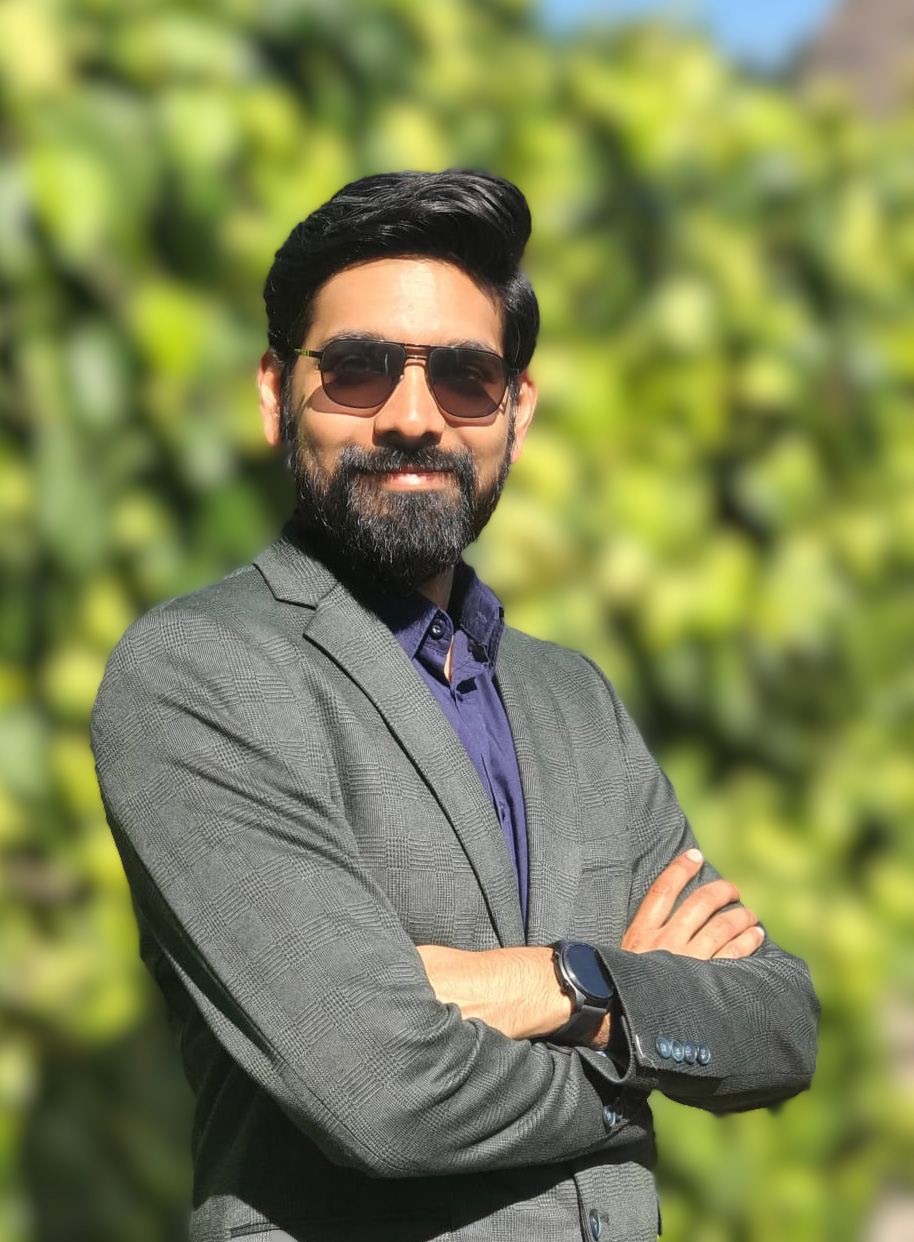
Dr. Aditya Parthasarathy
Staff Scientist · Group PI
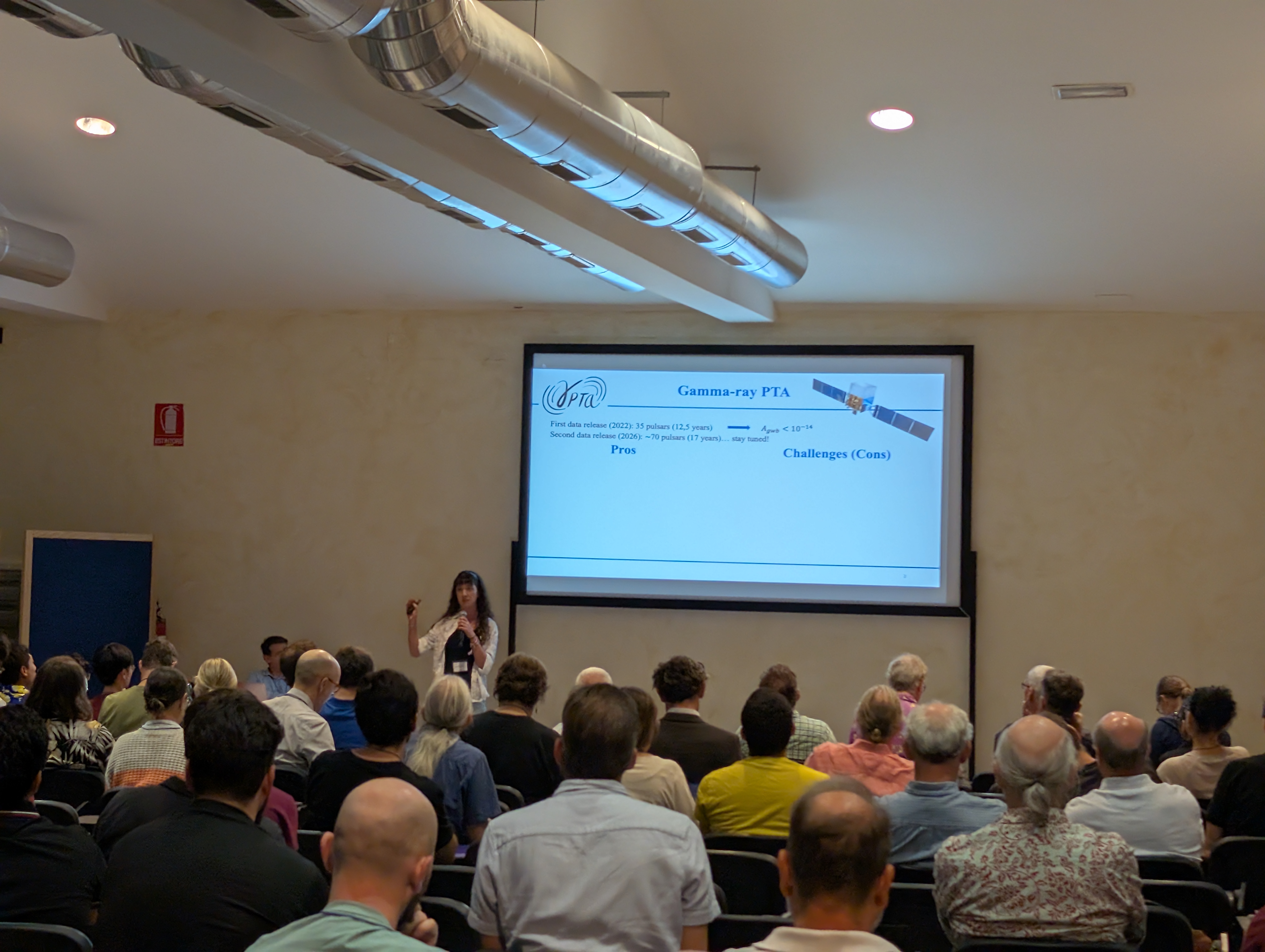
Aditya leads the GIGA group at ASTRON. His research focuses on detecting gravitational waves using pulsar timing arrays, precision pulsar timing, and characterising intrinsic noise processes in pulsars. He is a steering committee member of the European and International Pulsar Timing Array collaborations, and co-founder of the Gamma-ray PTA programme using NASA's Fermi satellite. Before joining ASTRON he held a postdoctoral position at MPIfR Bonn, and obtained his PhD from Swinburne University of Technology, Melbourne.
Postdoctoral researchers02

Dr. Sophia Sosa Fiscella
Postdoctoral Researcher · ASTRON
Since · 2026 · 02
Dr. Serena Valtolina
Postdoc · MPIfR Bonn
Since · 2025 · 11
PhD students02
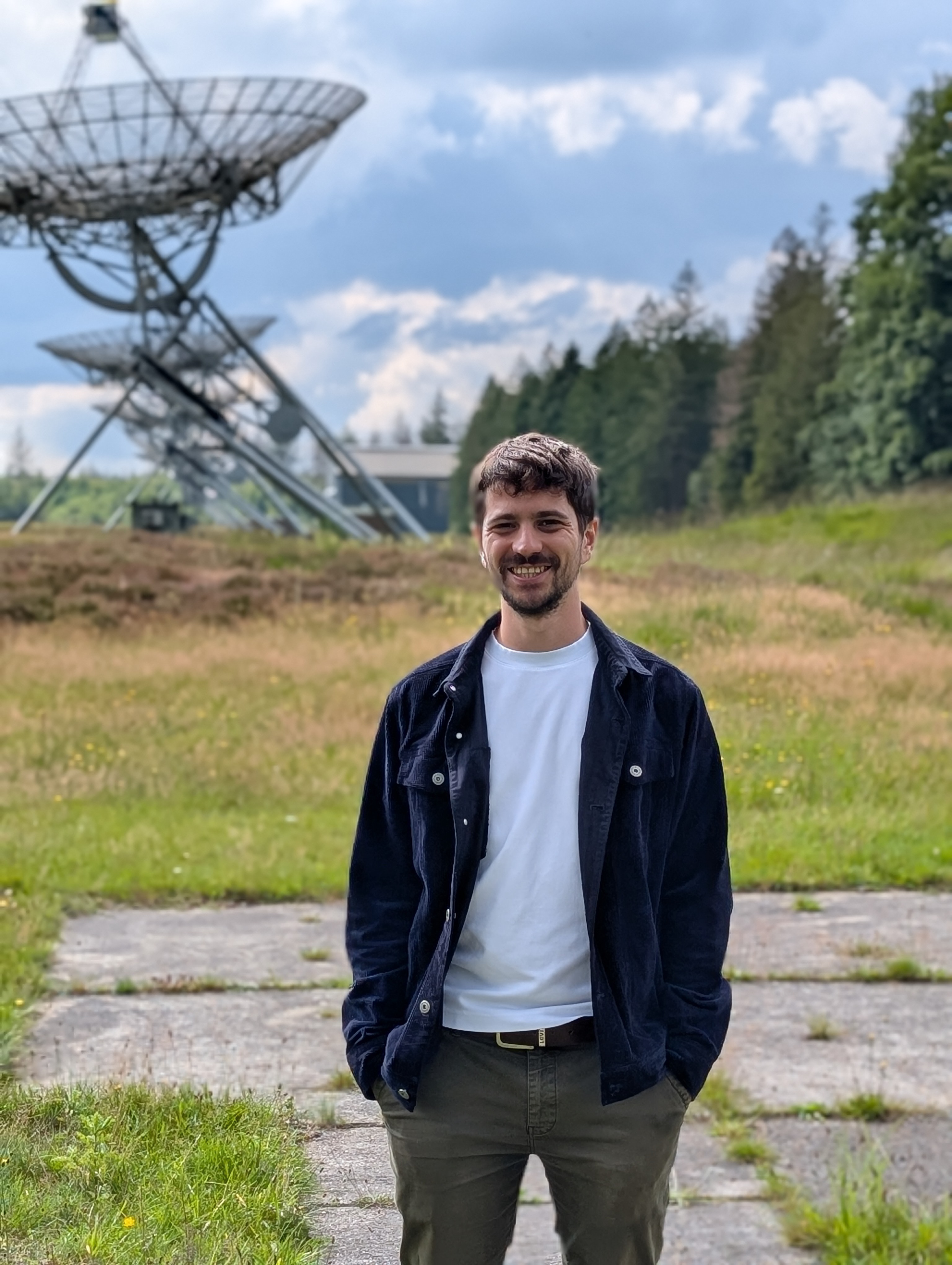
Ruggero Valdata
PhD · ASTRON / UvA
Since · 2024 · 09

Selah Melfor
PhD · ASTRON / UvA
Since · 2024 · 09
Masters students02
Kevin de Man
MSc · Kapteyn Institute, Groningen
Since · 2025 · 09
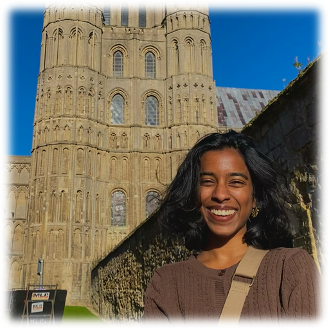
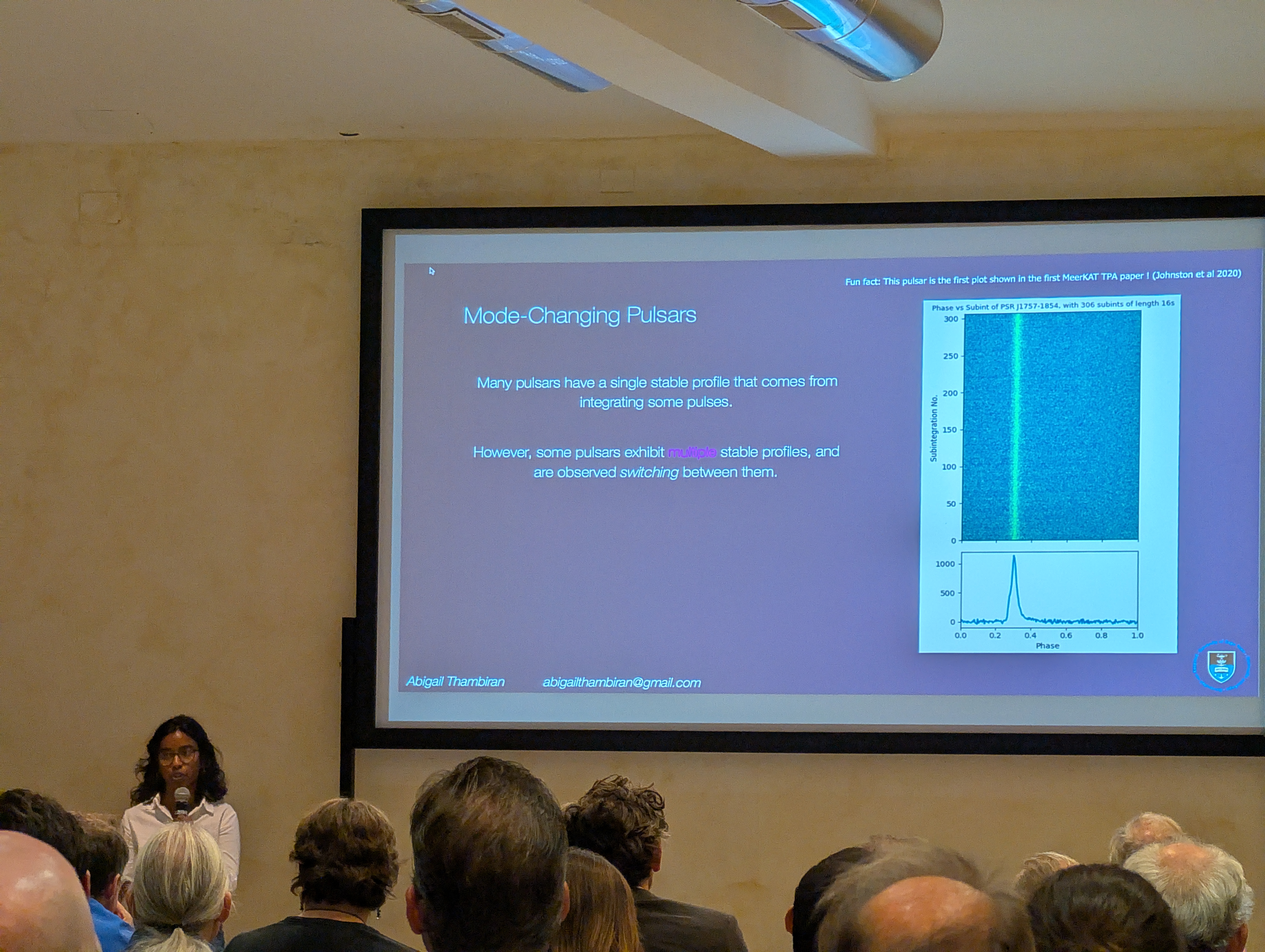
Abigail Thambiran
MSc · University of Cape Town
Since · 2024 · 01
Alumni04
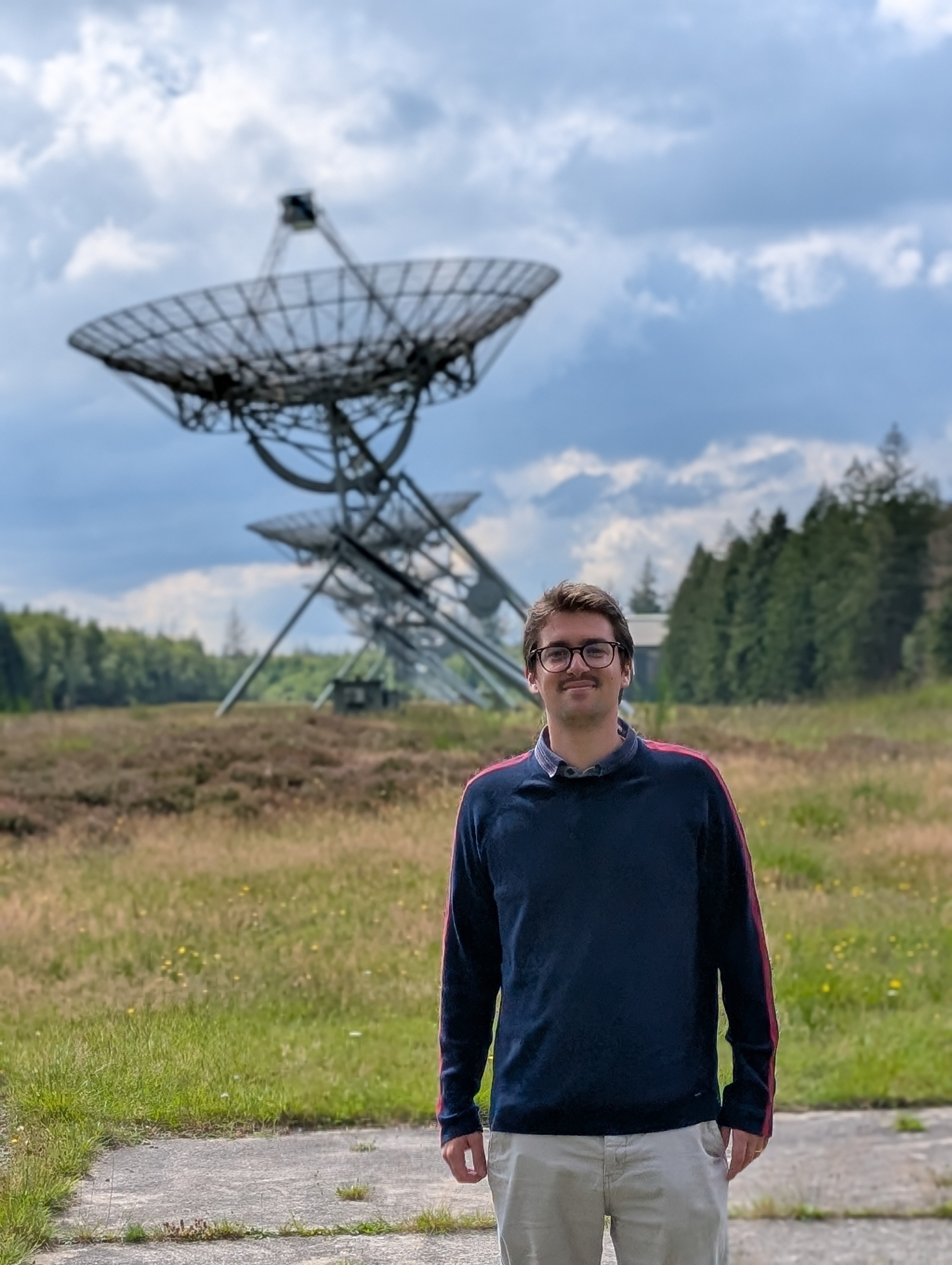
Dr. Aurelien Chalumeau
Former Postdoc · Now in Orleans
2024 – 2025

Nina Kaplina
Former MSc Student · UvA
2024 – 2025
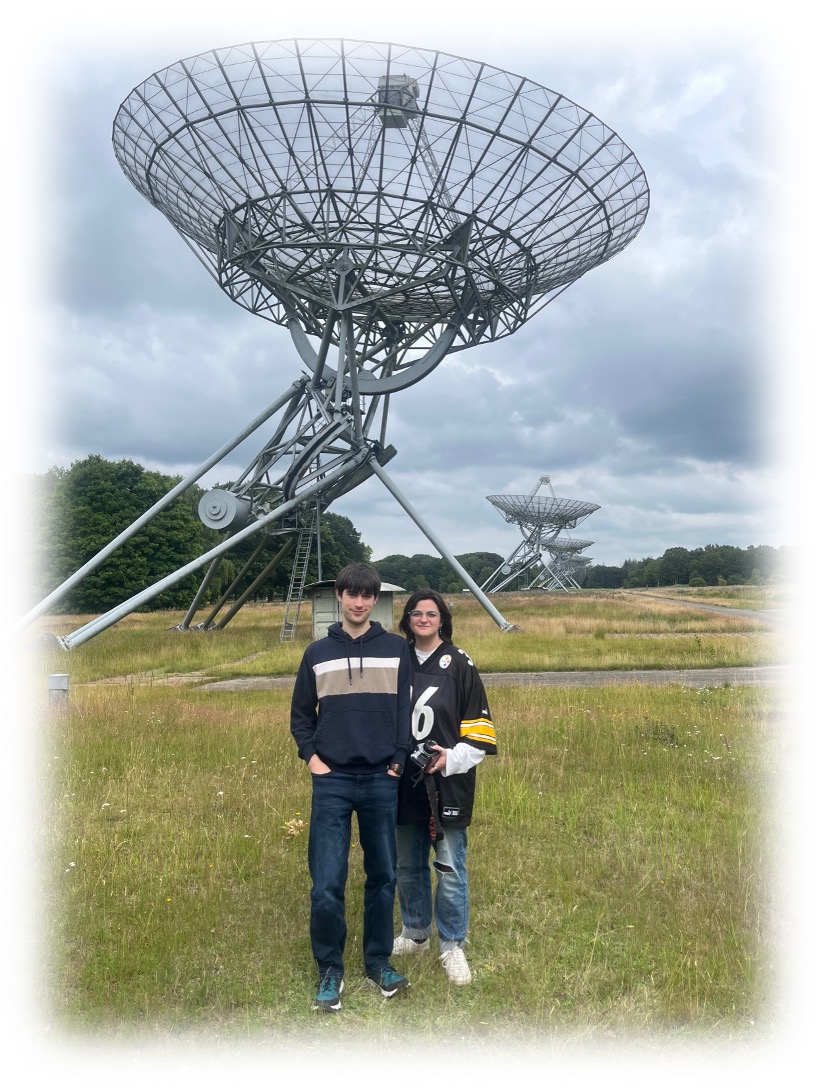
Hamish Reid
Former Summer Student · ASTRON
2025 · Summer
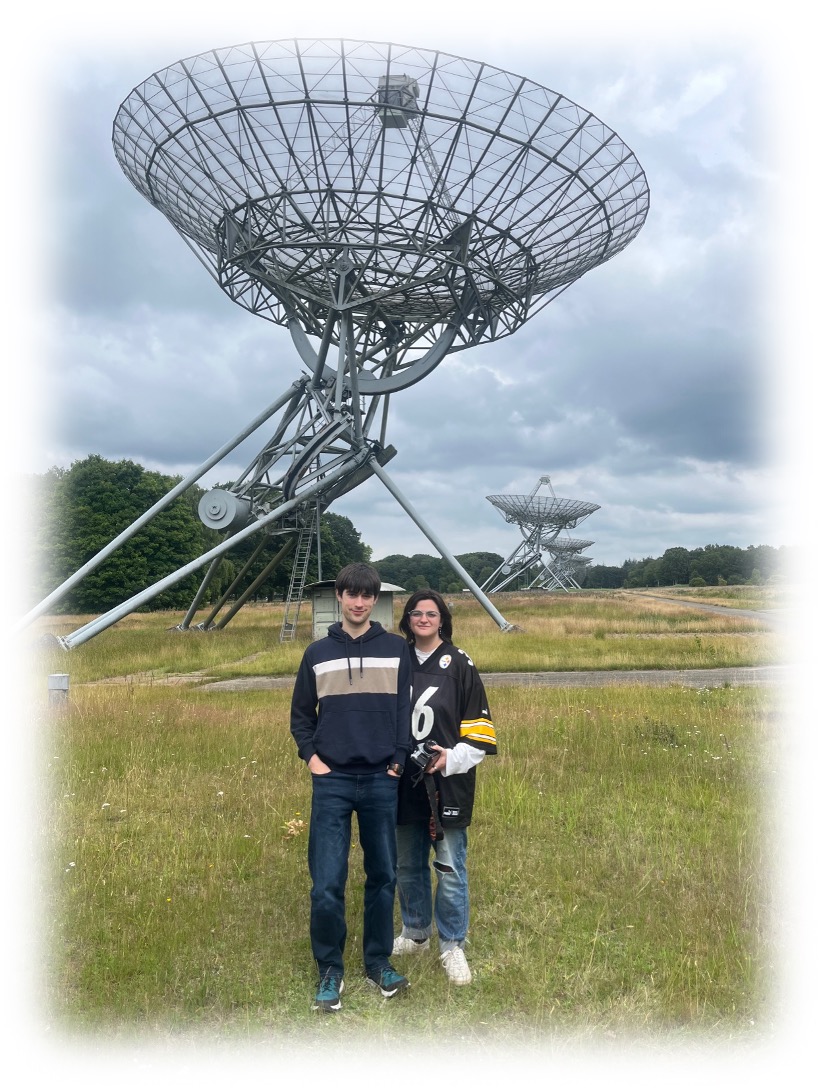
Charlie Ashe
Former Summer Student · ASTRON
2025 · Summer